We produce durable, efficient, and innovative machines.
-
Esenyurt / İstanbul


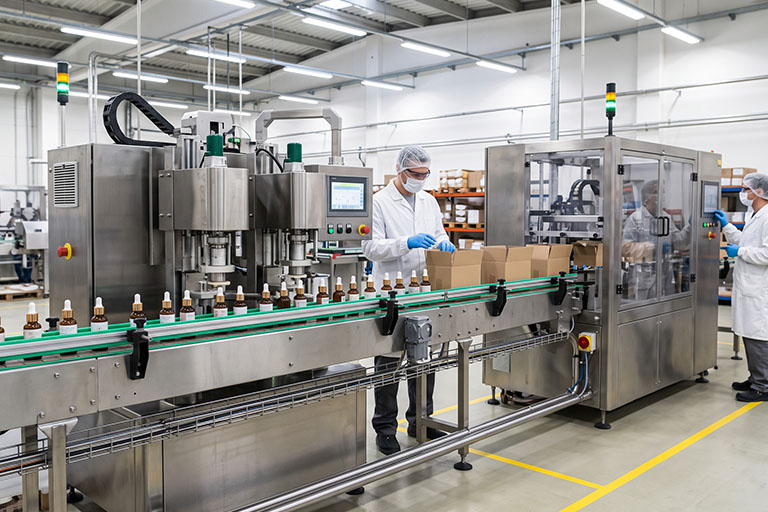
Automatic Packaging Machine Systems in the Cosmetics Industry
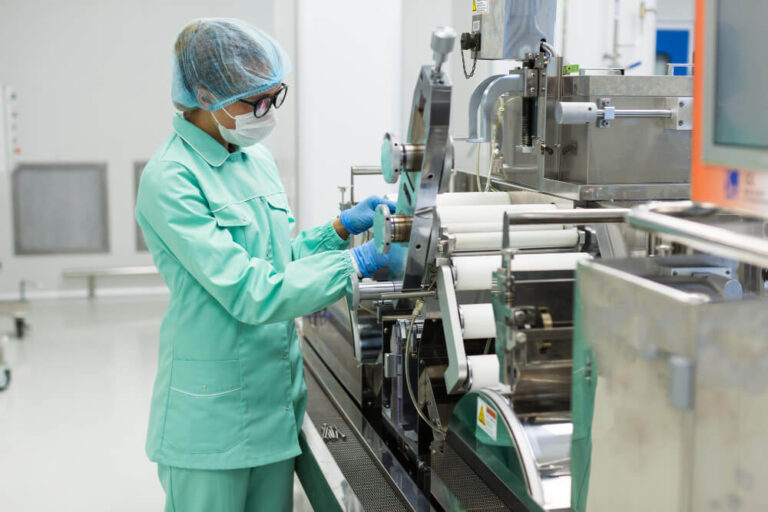
Automatic packaging machine systems in the cosmetics industry are automation solutions designed to transfer products from the production line in an organized manner, package them, and move them to subsequent production stages. Packaging systems used for shampoos, creams, lotions, soaps, perfumes, cosmetic accessories, and various personal care products can be designed according to the product type and production capacity.
The wide variety of products in cosmetics manufacturing, the use of different packaging formats, and the constant need to increase production speed make packaging automation increasingly important. Variations in speed and operational workload associated with manual packaging processes can limit efficiency, particularly in high-volume production lines.
For this reason, automatic packaging systems in the cosmetics industry, combined with automatic feeding systems, conveyor systems, and packaging machines, are becoming an important part of modern production lines.
Arpack Makine is a manufacturer developing flowpack packaging machines, automatic feeding systems, and conveyor solutions for the production requirements of different industries. Packaging systems for the cosmetics industry can also be engineered according to product characteristics, packaging structure, production capacity, and facility layout.
Why Are Automatic Packaging Systems Important in the Cosmetics Industry?
Cosmetic products may pass through several different stages, including filling, capping, labeling, quality control, and packaging. As production capacity increases, coordination between these operations becomes increasingly important.
An automatic packaging system automates one of the key final stages of the production line, helping products to be packaged at a defined speed and in a consistent sequence.
Automatic packaging systems can provide several benefits for cosmetic manufacturers, particularly in high-volume production environments:
- Increasing packaging speed
- Organizing product flow
- Reducing manual operations
- Supporting continuous production
- Matching packaging speed with production capacity
- Establishing a consistent packaging process
- Integrating with conveyor and automatic feeding systems
- Increasing the automation level of the production line
The objective is not simply to package products faster, but to ensure that different pieces of equipment within the production line operate in coordination.
Which Cosmetic Products Can Be Automatically Packaged?
Because the cosmetics industry includes a wide range of products and packaging formats, the packaging system must be selected according to the physical characteristics of the product.
Depending on the project requirements, automatic packaging systems can be considered for various cosmetic and personal care products.
Soaps and Solid Cosmetic Products
Solid soaps, solid shampoos, and similar products need to be transferred to the packaging machine in a controlled sequence during the packaging process.
Conveyor and automatic feeding systems can help deliver products to the packaging section in a consistent and organized flow.
Cosmetic Boxes and Packaged Products
Different transportation and packaging processes can be applied to boxed creams, lotions, perfumes, and similar products.
Automatic conveying systems can be used to transfer products from the production line to the packaging point and prepare them for the appropriate packaging process.
Personal Care Products
Automatic packaging solutions can also be used in the production of personal care products alongside conventional cosmetics.
When packaging shampoos, personal care products, soaps, and similar products, factors such as product dimensions, packaging format, weight, and production speed should be considered during system design.
How Does an Automatic Packaging System Work in the Cosmetics Industry?
The operating principle of an automatic packaging line varies depending on the machine configuration and product characteristics. In general, however, the process involves receiving products from the production line, feeding them into the system, transferring them to the packaging machine, and completing the packaging operation.
A typical automatic packaging line may include the following stages:
- Receiving the product from the production line
- Conveying the product through a conveyor system
- Organizing and orienting products
- Transferring products to the automatic feeding system
- Feeding products into the packaging machine at a controlled rate
- Packaging the product
- Transferring the packaged product to the next process via conveyor
- Directing products to labeling, inspection, case packing, or shipping operations
This structure allows the packaging process to operate as an integrated part of the overall production line.
Automatic Feeding Systems for Cosmetic Packaging Lines
Products need to reach the packaging machine in a controlled and consistent flow for an automatic packaging system to operate efficiently. This is where automatic feeding systems play an important role.
Products arriving from the production line at different intervals or from different directions cannot always be transferred directly to the packaging machine.
An automatic feeding system can:
- Collect products
- Separate products
- Align products
- Orient products
- Create controlled spacing
- Transfer products to the packaging machine at the required speed
This helps the packaging machine use its operating capacity more effectively.
Flexibility in automatic feeding system design is particularly important in cosmetic manufacturing facilities where different products may be packaged on the same production line.
Integration of Conveyor Systems with Automatic Packaging
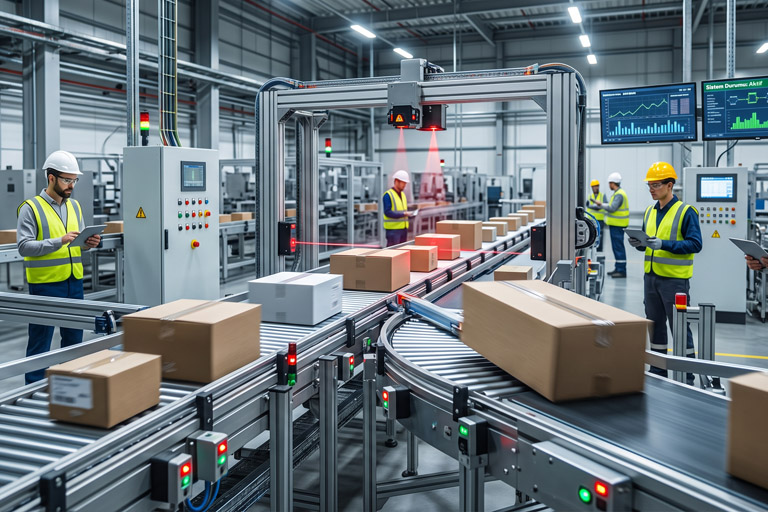
Conveyor systems play an important role in transporting products between different process points in cosmetic production lines.
Products leaving the filling or production line can be transported by conveyors to quality control, labeling, feeding, and packaging sections.
When designing a conveyor system, factors such as the following should be considered:
- Product dimensions
- Product weight
- Conveying speed
- Production capacity
- Conveyor length
- Conveyor direction
- Spacing between products
- Feeding capacity of the packaging machine
Synchronization between the conveyor system and the automatic packaging machine is particularly important for maintaining a continuous production flow.
Flowpack Packaging Machines for Cosmetic Products
Flowpack packaging machines are automatic packaging solutions used to wrap certain products in flexible packaging film.
The suitability of flowpack technology for cosmetic applications depends on factors such as product shape, dimensions, packaging requirements, and the overall production process.
During the flowpack packaging process, the product is brought together with packaging film in a controlled sequence, and the packaging operation is completed automatically.
Depending on the project requirements, flowpack packaging systems can be considered for applications such as:
- Solid cosmetic products
- Soaps
- Personal care products
- Cosmetic accessories
- Certain boxed or pre-packaged products
The appropriate solution should be determined by analyzing the physical characteristics of the product and the details of the existing production line.
Automation in Cosmetic Packaging Machines
Modern cosmetic manufacturing facilities increasingly require packaging machines to operate in coordination with other equipment on the production line rather than functioning as standalone mechanical systems.
For this reason, the automation infrastructure is an important part of an automatic packaging system.
Depending on the project requirements, automation components such as PLCs, sensors, servo motors, motor drives, and other control technologies can be integrated into the system.
Sensors
Sensors can provide information about product presence, position, or movement through specific points in the production line.
This information can be used to stop, orient, space, or transfer products to the packaging machine at the appropriate stage.
PLC Control
A PLC-based control system enables the conveyor, feeding system, and packaging machine to operate according to a coordinated production sequence.
Servo Systems
Servo motors can be used in applications requiring high positioning accuracy and synchronization.
Servo-controlled motion can be particularly useful in high-speed packaging systems where products need to be processed at specific positions and intervals.
The Importance of Packaging Speed in Cosmetic Production Lines
Cosmetic manufacturers operate at a wide range of production capacities. Packaging systems can be designed for small and medium-sized manufacturers as well as high-volume industrial production facilities.
However, the capacity of the packaging machine should not be evaluated independently.
The following factors should be considered together:
- Product feeding capacity
- Conveyor speed
- Spacing between products
- Packaging machine cycle time
- Capacity of upstream production processes
- Capacity of downstream operations
A high-speed packaging machine may still fail to operate at its full potential if products cannot be supplied to it at the required speed and in a consistent sequence.
Therefore, when designing automatic packaging systems in the cosmetics industry, the capacity balance of the entire production line should be taken into consideration.
Product Variety in Cosmetic Packaging Systems
The cosmetics industry has a particularly wide range of products compared with many other manufacturing sectors.
A single facility may need to package products with different dimensions, shapes, and packaging formats.
This increases the need for flexibility in automatic packaging systems.
When designing the system, the following capabilities can be considered:
- Compatibility with different product dimensions
- Adjustable conveying speed
- Feeding suitable for different product spacings
- Easy format changeover
- Machine settings suitable for different production requirements
For cosmetic manufacturers with a wide product portfolio, it can be advantageous to design the packaging machine not only for current requirements but also for potential future product variations.
What Should Be Considered When Selecting Automatic Packaging Systems for the Cosmetics Industry?
When investing in a packaging system for a cosmetic production line, the entire production process should be evaluated rather than focusing solely on the technical capacity of the packaging machine.
Product Characteristics
The dimensions, shape, weight, surface characteristics, and packaging structure of the products should be determined.
Production Capacity
The current production volume and future capacity targets should be considered when determining the required packaging capacity.
Packaging Type
The type of film, box, or other packaging material to be used can directly affect the system design.
Automatic Feeding
The method by which products will be supplied to the packaging machine should be determined. Automatic feeding may be required when the incoming product flow is irregular.
Conveyor Compatibility
The packaging line must be compatible with existing conveyor systems or with a newly designed conveying system.
Production Line Layout
The machine footprint, product infeed and outfeed directions, distance from other machines, and operator access should be considered.
Automation Level
The requirements for PLCs, sensors, servo systems, and other automation components should be determined according to production capacity and process requirements.
Maintenance and Service
Easy access to machine maintenance points and a serviceable system design are important for long-term operational efficiency.
Advantages of Automatic Packaging Systems in the Cosmetics Industry
A properly designed automatic packaging system can provide a range of operational benefits throughout the manufacturing process.
Key advantages include:
- Automating packaging operations
- Supporting increased production speed
- Reducing the need for manual product handling and feeding
- Creating a more organized product flow
- Establishing a consistent packaging process
- Integrating with conveyor and automatic feeding systems
- Increasing the automation level of the production line
- Adapting the system to different products
- Making more effective use of production capacity
However, these benefits depend on designing the system according to the manufacturer’s actual production requirements.
Why Is Integration Important in Automatic Packaging Systems?
The fact that a packaging machine can operate at a high speed on its own does not mean that the entire production line can operate at the same capacity.
For example, even a high-capacity packaging machine can create a bottleneck if products are not delivered to the machine at a consistent rate.
Therefore, the overall production flow should be evaluated as an integrated system:
Production → Conveyor → Automatic Feeding → Packaging → Inspection → Shipping
When automatic packaging systems in the cosmetics industry are designed around this integrated approach, different pieces of equipment within the production line can operate in greater coordination.
Future-Oriented Design for Cosmetic Packaging Lines
Product portfolios and production requirements in the cosmetics industry can change over time. Therefore, when establishing a new packaging line, it is beneficial to consider not only current production capacity but also future requirements.
Future changes may include:
- Adding new products to the production line
- Increasing production capacity
- Adding new packaging machines
- Increasing the level of automation
- Connecting additional conveyor lines
A modular and expandable production infrastructure can make such future modifications easier to implement.
Arpack Makine Manufactures Automatic Packaging Solutions for the Cosmetics Industry
Arpack Makine is a manufacturer developing packaging machines, automatic feeding systems, and conveyor solutions for the cosmetics industry and other manufacturing sectors.
Automatic packaging systems for cosmetic manufacturers can be engineered according to product characteristics, packaging format, production capacity, facility layout, and automation requirements.
Arpack Makine’s approach considers not only the design of the packaging machine itself, but also how the machine will operate together with other equipment throughout the production line.
Within this approach, conveyor systems, automatic feeding systems, flowpack packaging machines, and automation infrastructure can be evaluated as an integrated solution.
Improve Cosmetic Production Processes with Automatic Packaging Systems
Automatic packaging systems in the cosmetics industry are important automation solutions for transporting, feeding, and packaging products in a controlled manner throughout the production line.
When selecting the right system, it is important to evaluate not only the capacity of the packaging machine but also product characteristics, packaging type, production speed, conveyor configuration, automatic feeding requirements, and automation infrastructure.
Arpack Makine develops automatic packaging machines, flowpack packaging solutions, automatic feeding systems, and conveyor systems for cosmetic manufacturers, providing integrated solutions for different production lines.
When planning an automatic packaging system for your cosmetic production line, evaluating the existing production flow together with future capacity targets can help you establish a packaging infrastructure designed specifically for your products and production process.